
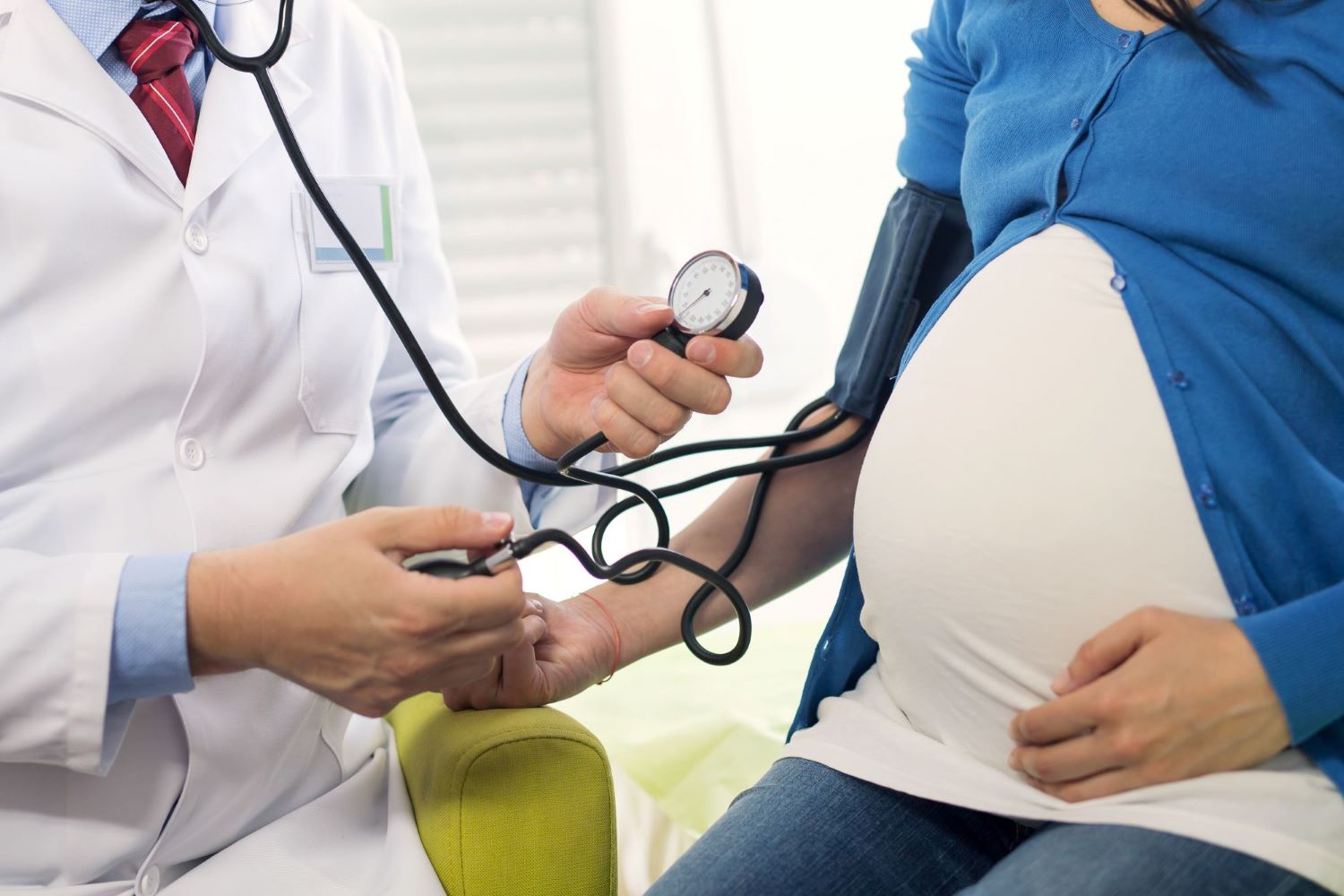
Preeclampsia is a serious pregnancy-related condition characterized by high blood pressure and signs of injury to one or more organs, most commonly the kidneys, liver, brain or placenta. It typically develops after the 20th week of pregnancy but can also occur during labor or in the weeks following delivery (postpartum preeclampsia). If not recognized and treated promptly, preeclampsia can lead to severe, life-threatening complications for both the mother and the baby.
Because early diagnosis and appropriate management significantly improve outcomes, it is important for all pregnant women to understand preeclampsia and the importance of regular prenatal care.
Signs and symptoms
Preeclampsia can present with a wide range of symptoms, including:
- High blood pressure
- Protein in the urine (proteinuria)
- Swelling of the face, hands or feet
- Severe or persistent headache
- Changes in vision, including blurred vision, flashing lights or temporary vision loss
- Upper abdominal or right-sided rib pain
- Nausea or vomiting
- Shortness of breath
- Confusion or changes in mental status
- Sudden or rapid weight gain due to fluid retention
Importantly, many women with preeclampsia have few or no symptoms, especially in the early stages, and the condition can worsen quickly. This is why routine prenatal visits, with blood pressure checks and urine testing, are essential throughout pregnancy and after delivery.
Risks to mother and baby
Preeclampsia can affect nearly every organ system and carries significant risks, including:
For the mother:
- Stroke or seizures (eclampsia)
- Kidney or liver injury, sometimes with lasting effects
- HELLP syndrome, a severe form involving the liver and blood cells
- Placental abruption, or premature separation of the placenta
- Postpartum complications, including worsening blood pressure after delivery
For the baby:
- Preterm, or early, delivery
- Low birth weight or restricted growth
- Need for neonatal intensive care
- Stillbirth in severe cases
Long-term heart and vascular health
Preeclampsia is not only a pregnancy complication; it is now recognized as an early warning sign for future cardiovascular disease. Women who have had preeclampsia are at higher risk later in life for:
- Chronic high blood pressure
- Heart disease and heart failure
- Stroke
- Diabetes and metabolic disease
Because of this, preeclampsia is considered a “stress test” for the heart. Women with a history of preeclampsia should inform their primary care clinician and have regular, long-term follow-up focused on cardiovascular risk reduction.
Diagnosis, treatment and prevention
Early diagnosis allows close monitoring and timely treatment to reduce complications. Management may include:
- Medications to control blood pressure
- Frequent monitoring of maternal symptoms, laboratory results and fetal well-being
- Hospitalization in moderate to severe cases
- Delivery when risks outweigh the benefits of continuing the pregnancy
For some women at higher risk, low-dose aspirin during pregnancy, started early under medical guidance, can reduce the risk of developing preeclampsia.
What women can do
- Attend all prenatal and postpartum appointments
- Report warning symptoms promptly, even after delivery
- Maintain a healthy lifestyle, including a balanced diet, regular physical activity and avoidance of tobacco and alcohol
- After pregnancy, continue routine medical care and cardiovascular screening
Women with a history of preeclampsia benefit from long-term follow-up with their primary care clinician and, when appropriate, a cardiologist to monitor blood pressure, cholesterol, blood sugar and other heart disease risk factors.
The bottom line
Preeclampsia is a serious but treatable condition. Awareness, regular prenatal care and prompt medical attention can save lives and improve outcomes for both mother and baby. Importantly, recognizing preeclampsia also provides an opportunity to protect a woman’s heart health for years to come.
If you are pregnant or have recently delivered and have concerns about your blood pressure or symptoms, contact your health care clinician right away.
LEARN MORE ABOUT CARDIO-OBSTETRICS AT NORTHSIDE.
.jpg)
